
You don't need to have all the answers. You just need somewhere to begin.
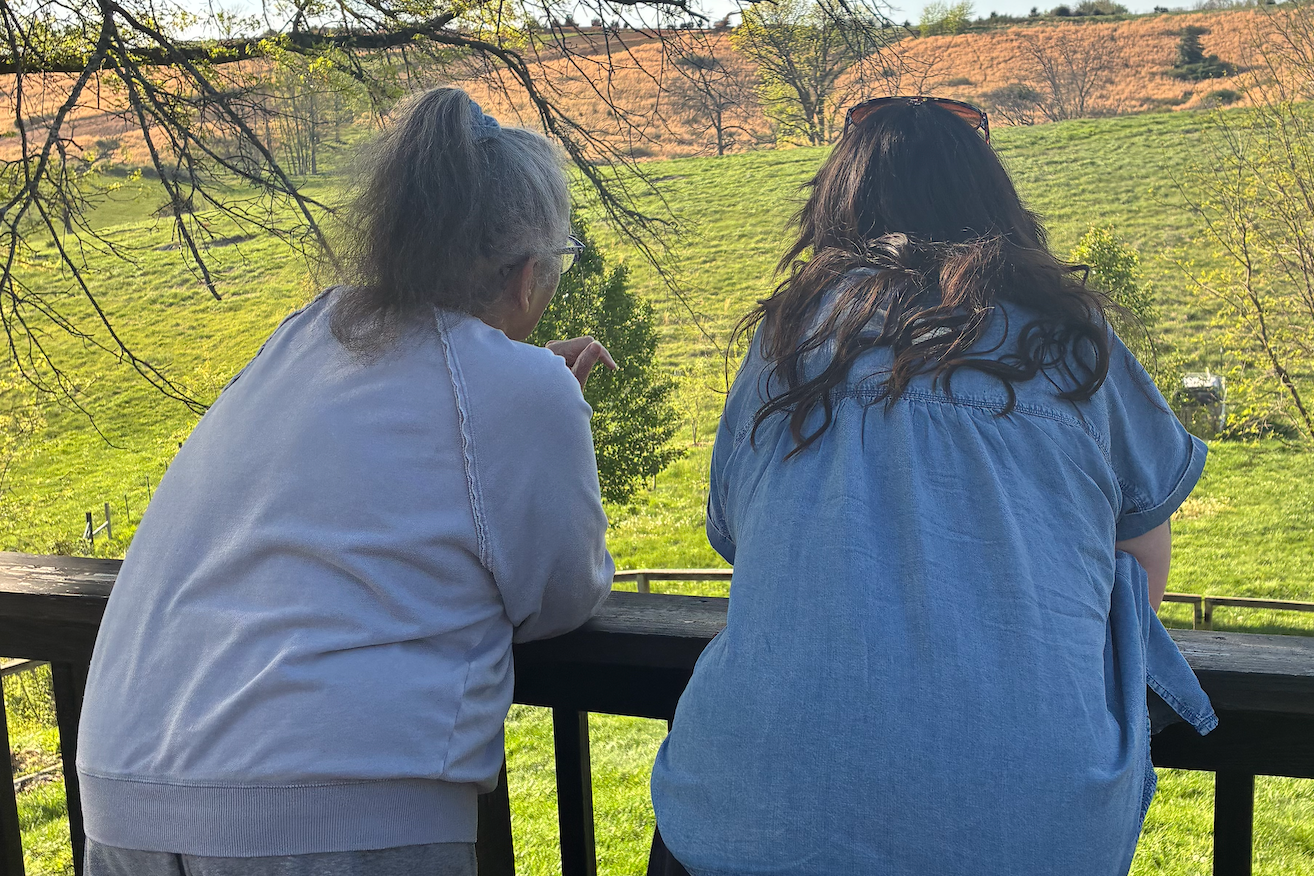
There often comes a moment when we begin to recognize that our parents and loved ones are aging. Sometimes that realization arrives gradually; we may notice they move a little more slowly, forget things they once remembered, or need help with tasks they've always managed independently. Other times, it comes suddenly, with a diagnosis, hospitalization, fall, or unexpected change in their health. No matter how it hits us that our loved elders are showing signs of aging, with that realization comes a question many of us feel unprepared to answer:
How do I help my parent (or loved one) prepare for the end of their life?
For many families, the instinct is to begin making plans. We research legal documents, look into medical care, and try to understand what decisions might be waiting for us. Those things matter, but preparing for the end of life isn't simply about organizing paperwork or anticipating a medical crisis. It's about understanding what matters to someone, protecting their ability to make choices, and finding ways to support them through the changes ahead.
In my work as an end-of-life doula, I have the advantage of seeing what works for other families and trying it within my own. Here are a few places to begin, that I’m practicing myself, both personally and professionally.
1. Start with a conversation, not a checklist.
Before discussing advance directives, funeral arrangements, or healthcare decisions, begin with curiosity. No one wants to feel like a box on a checklist so instead, consider: what does your parent think about growing older? What worries them? What are they looking forward to? What does a good life look like to them now?
Sometimes direct questions about death are welcome. Other times, they feel intrusive or overwhelming.
You might begin with something as simple as:
"As you get older, are there things you've been thinking about or worrying about?"
"If your health changed, what would be most important to you?"
"Have you thought about what kind of help you'd want if living independently became difficult?"
"Is there anything you'd want me to understand about your wishes?"
The objective isn't to complete an entire conversation in one sitting. It's to create space for your parent to share what matters to them. And remember: your parent's priorities may be different from yours. Part of supporting someone through aging is learning to respect their choices, even when those choices make us uncomfortable.
2. Understand the basics of advance care planning.
Advance care planning is the process of considering, discussing, and documenting preferences for future healthcare.
While many people associate advance directives with catastrophes or for the final days of life, these documents can become important whenever someone is unable to communicate or make medical decisions for themselves.
A few important things to explore include:
Healthcare power of attorney: Who would your parent trust to make healthcare decisions if they were unable to make those decisions themselves? Compassion & Choices has an excellent resource for this decision, found here.
Advance directive or living will: What preferences do they have about medical treatments and interventions under different circumstances? Each state has a basic form to start this conversation, here is Tennessee’s.
Resuscitation preferences: Have they discussed CPR and other life-sustaining treatments with their healthcare provider? Is a medical order, such as a DNR, appropriate for their circumstances?
Financial and legal planning: Are there arrangements in place for managing financial responsibilities, accessing important accounts, and handling legal affairs if they become incapacitated?
Tools like Five Wishes can help people explore their preferences for medical treatment, comfort, dignity, and how they want to be treated by others. Whether a particular document meets your state's legal requirements depends on the document and applicable law. These conversations are not about deciding that someone's life is coming to an end, even if it may feel like it. Instead, they're about making sure their voice remains part of their care, even when they cannot speak for themselves.
3. Learn what support is already available.
One of the most common challenges families face is not knowing what resources exist until they desperately need them. Even if it is hard to think about until needed, it can be helpful to understand the differences between several kinds of support. Here are some basic definitions to start your research:
Primary care and specialty medicine focus on diagnosing, treating, and managing medical conditions.
Palliative care focuses on relieving symptoms, improving quality of life, and supporting people living with serious illness. It can be provided alongside treatment intended to prolong life.
Hospice care provides specialized comfort-focused care for people approaching the end of life who meet eligibility requirements.
Home health and personal care services may help with skilled medical needs, daily activities, and practical care at home, depending on the service.
End-of-life doulas provide non-medical education, planning, emotional support, and companionship to individuals and families navigating dying and death.
These services can complement one another, and understanding them before a crisis can make it easier to recognize when additional support might be helpful. You don't have to wait until someone is actively dying to begin asking questions.
4. Talk about what happens if living independently becomes difficult.
For many older adults, the possibility of losing independence is far more frightening than talking about death itself. Your parent may be worried about becoming a burden, leaving a beloved home, losing privacy, or having other people make decisions for them. All of these concerns are so normal and deserve attention.
Instead of beginning with what you think they should do, ask what they would prefer. Would they want support brought into their home? Are there friends, neighbors, or community members they trust? Have funds beens saved for this or is there long-term care insurance that was pre-purchased? What changes would make them feel less safe living alone? What alternatives would they consider if their needs increased?
This is also an opportunity to consider practical matters such as transportation, medication management, access to food, household safety, and the availability of reliable caregiving. An older adult's desire to remain independent deserves respect. Planning ahead can help preserve that independence for as long as possible while acknowledging that needs may change.
5. Don't overlook family dynamics.
End-of-life planning rarely happens in a vacuum. Families bring histories, expectations, unresolved conflicts, and different ideas about what good care looks like. One sibling may want every possible medical intervention, while another may prioritize comfort. Someone may assume they will be the primary caregiver, while another family member has an entirely different understanding of their responsibilities. These differences can become especially painful during a medical crisis.
When possible, encourage conversations before decisions become urgent. Who does your parent want involved? Who do they trust to speak on their behalf? What information are they comfortable sharing, and with whom? Remember that being someone's adult child doesn't automatically mean you have the authority to make decisions for them.
The goal isn't necessarily to get everyone to agree, but to help everyone understand and respect the wishes of the person at the center of these conversations. Sometimes, the most helpful thing a family can do is invite a neutral person to facilitate a difficult discussion.
6. Make room for the emotional experience of aging.
It's easy to become so focused on practical preparation that we overlook the human experience unfolding around us. Aging can bring changes in identity, relationships, independence, and one's sense of place in the world. Your parent may be grieving abilities they've lost, friends who have died, or a future that looks different from what they imagined. You may be experiencing grief, too.
Sometimes called anticipatory grief, these feelings can emerge long before a death occurs. You might find yourself mourning changes in your relationship, worrying about what lies ahead, or struggling with the unfamiliar experience of becoming a caregiver to someone who once cared for you. Not every difficult feeling requires a solution. Sometimes the most meaningful support we can offer is our willingness to listen, remain present, and allow complicated feelings to exist without trying to fix them.
7. Remember that preparation is an ongoing process.
You don't need to accomplish all of this in a weekend. In fact, you probably shouldn't. Preferences change. Relationships change. Medical circumstances change. A conversation that feels impossible today may become easier six months from now.
Begin with one question. Make one appointment. Review one document. Then return to the conversation when the time is right. End-of-life planning is not a single task to complete. It's an ongoing process of understanding, communicating, and making decisions that reflect someone's values. While you cannot prepare for every possibility, you can help create a foundation of trust and understanding.
When an End-of-Life Doula Can Help
Sometimes families simply need someone to help them understand where to begin. An end-of-life doula can offer education about the dying process, help individuals explore their wishes, support advance care planning conversations, and guide families as they navigate changing care needs.
At Farewell Fellowship, I work with individuals and families throughout Nashville, Franklin, and Middle Tennessee, as well as virtually, to provide personalized, non-medical end-of-life guidance.
You don't need to be receiving hospice care, facing an immediate crisis, or even know exactly what kind of help you need. Sometimes our work begins with a single conversation about what matters most.
If you're trying to understand how to support an aging parent, you're welcome to begin there.
Jade Adgate is a death doula, educator, and advocate. Through her work at Farewell Fellowship, Farewell Education, and Farewell Library, she guides others in exploring mortality and cultivating understanding, reflection, wonder and care around life and death.