
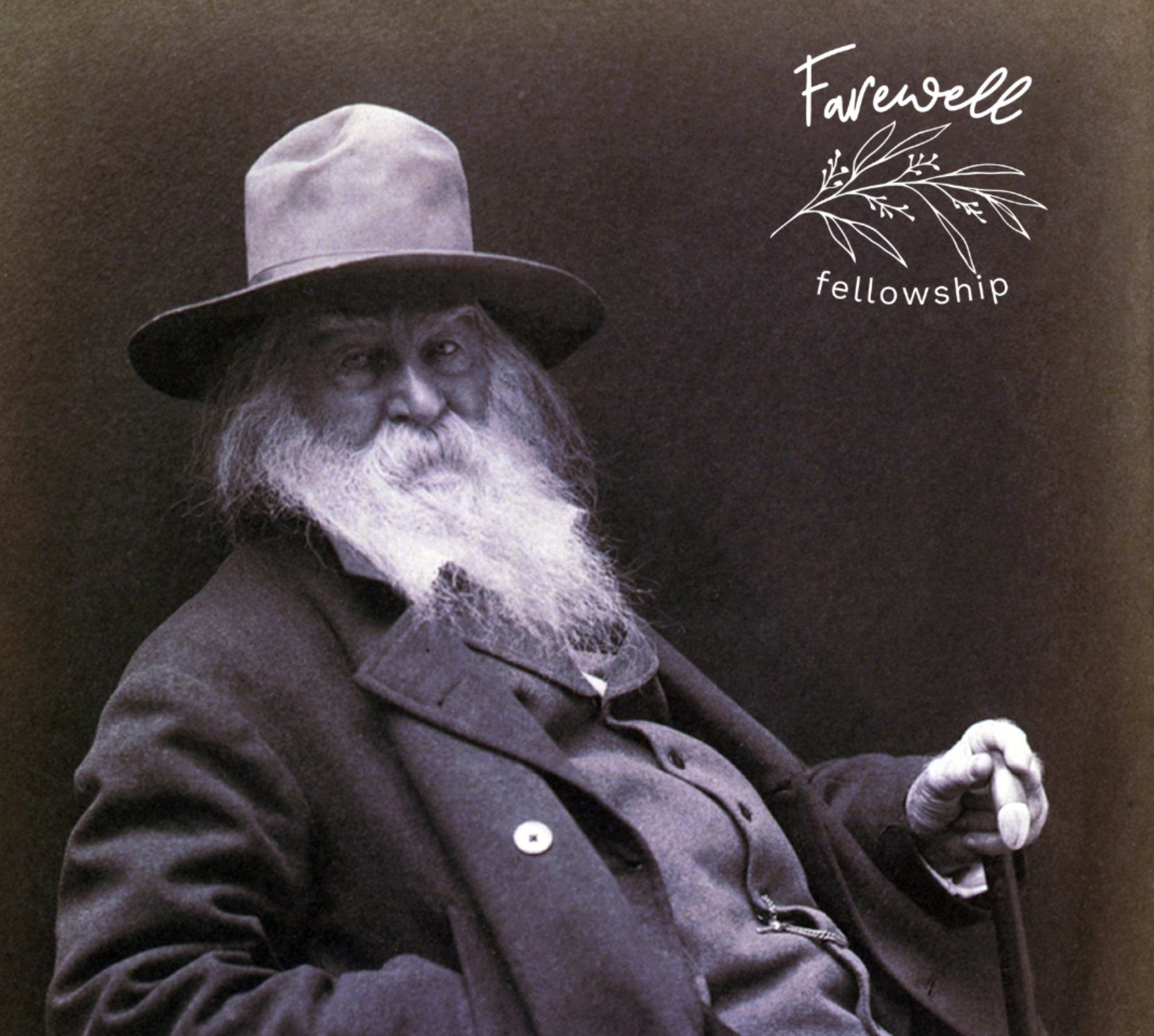
Ever since I was a girl, I’ve savored poetry in a particular way. I don’t linger over a stanza for days or return to a line with the hope of finally “decoding” its meaning. I want a poem I can consume like a meal: rich, sustaining, and resonant long after I’ve finished. Walt Whitman has always been that kind of poet for me. His words linger, their vitality undiminished, feeding both the imagination and the spirit.
Whitman’s fascination with death began long before he became the poet of Leaves of Grass. Born in 1819 on Long Island to a working-class family, he grew up in a world where sudden illness and accidental death were ordinary. As a young man, he gravitated toward the sick and dying, visiting cholera hospitals and witnessing the ravages of disease firsthand. These early encounters were not macabre curiosities; they were lessons in attentiveness, curiosity, empathy, and reverence. Observing death became a practice for Whitman, a way to measure the depths and contours of life itself. It is this intimacy with mortality that gives his poetry its honesty, its courage, and its celebration of the body and spirit in their continuity beyond the mortal frame. He did not stand at a distance and contemplate death; he went close, he served, and he imagined the way he might meet his own end.
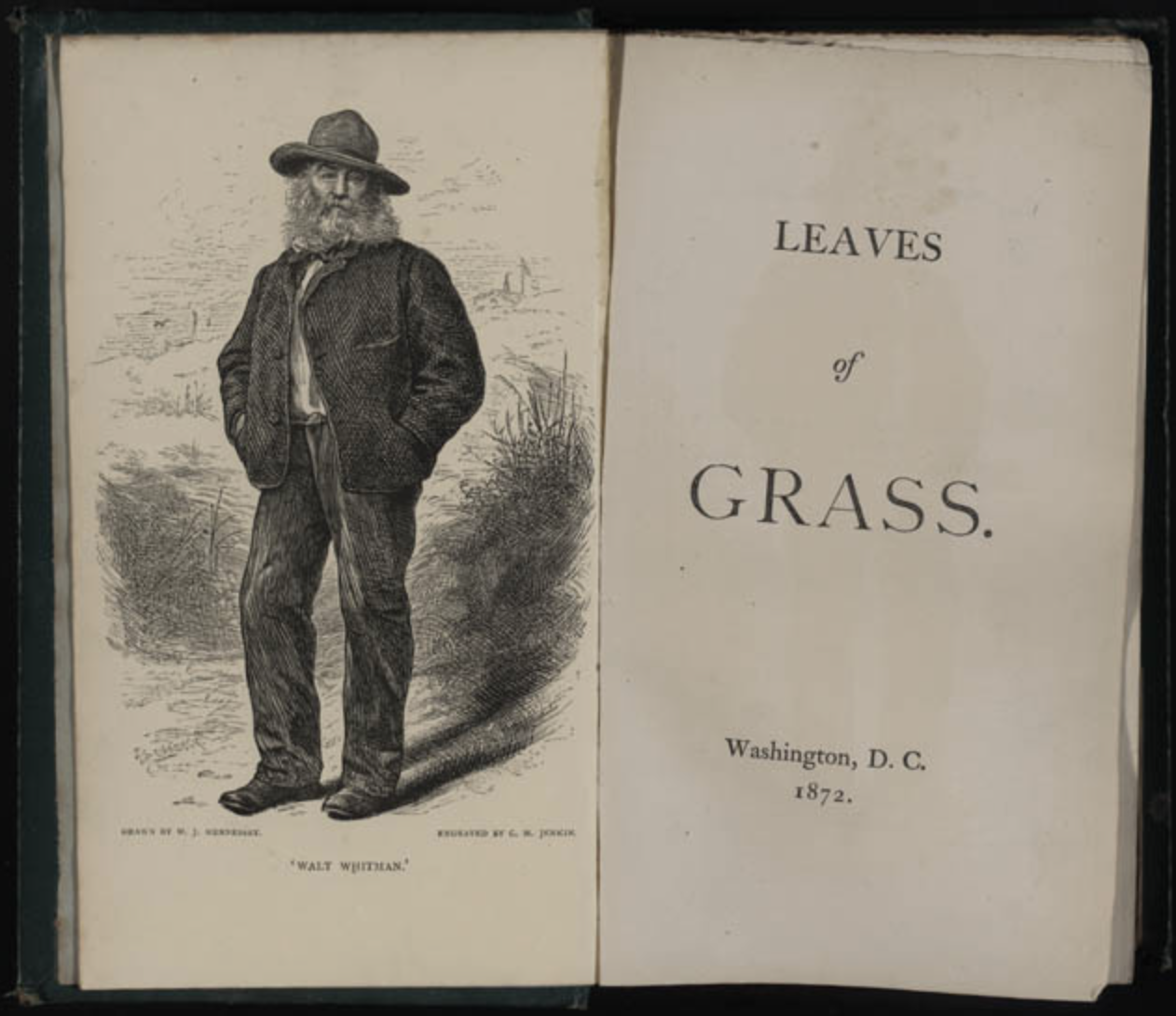
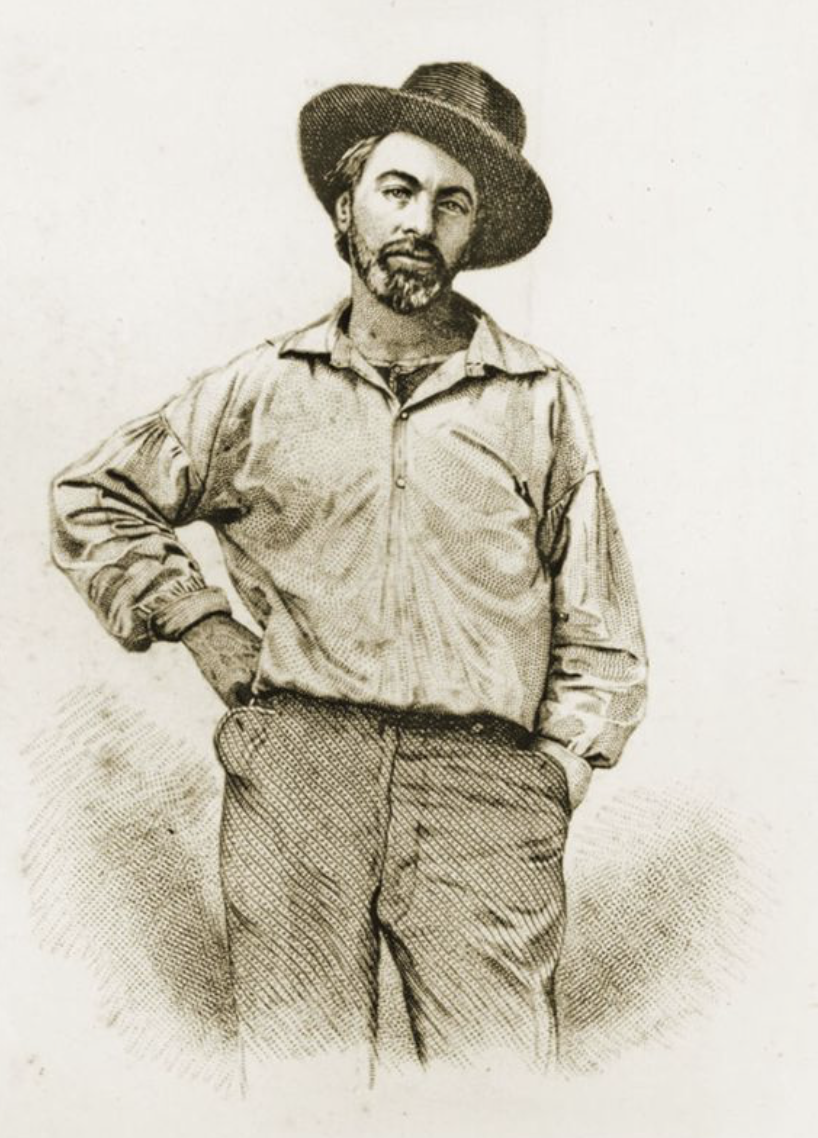
Though Whitman self-published Leaves of Grass in 1855, he returned to it again and again over the next four decades. Each edition became a living document of a life unfolding: the exuberance of youth, the grief and reflection of wartime, the quiet reckonings of aging, and, finally, in the 1892 Deathbed Edition, the contemplations of a man approaching his own mortality. He rewrote not to appease critics or follow trends but to fold his lived experience into his verse, to make the poems themselves a meditation on life, death, and what lies between.
Whitman’s engagement with mortality resonates vividly. In To Think of Time (1855), he observes the dying with astonishing intimacy:
“When the dull nights are over, and the dull days also,
when the physician, after long putting off, gives the silent and terrible look for an answer,
then the corpse-limbs stretch on the bed, and the living look upon them.”
Death here is tangible, human, immediate, and reverent. It is witnessed fully, without abstraction, without theatricality, and with profound attention.
In So Long! (written in his later years), Whitman imagines speaking almost from the grave. His voice leaps from the page, reaching the reader directly:
“Disembodied, triumphant, dead, springing from the pages into your arms…decease calls me forth… death making me really undying.”
Even as the body fades, the self (and the words that express it) endures. Death becomes not an erasure but a transformation, a continuation that allows presence and consciousness to persist.
In Whispers of Heavenly Death, he turns observation into reflection:
“Death is some solemn immortal birth… a parturition… nothing can happen more beautiful than death.”
Across these passages, finality is transmuted into curiosity and reverence. Whitman teaches that mortality can be met with attentiveness and that witnessing it can expand our capacity for life’s fleeting beauty.
Whitman’s life and poetry remind us that death is not a distant shadow but a constant companion, woven into the fabric of living. His attentiveness to the dying, his encounters with illness and war, and his imaginings of his own death allowed him to approach life with a clarity and intensity that few experience. Through his poems, we are invited to reconsider death not as a foe, but as a teacher and companion, one whose presence deepens our understanding of existence.
To read Whitman is to be invited into a life lived fully in the face of mortality. It is a call to observe, to reflect, and to accept, to cultivate a familiarity with the inevitable that transforms fear into insight. Perhaps the greatest lesson he offers is this: mortality, when met with courage and curiosity, reveals continuity beyond the body, beyond the moment, into something enduring and shared.
How might we, in our own lives, approach death with the same openness that Whitman practiced so relentlessly? Could we, like him, prepare not only for our own passing but for a fuller, more attentive appreciation of the life unfolding around us? Can we, those who serve the dying, carefully observe with eyes wide open, and then integrate the lessons we witness into the fullest experience of living? Can we imagine a vast consciousness that awaits us all on the other side?
Jade Adgate is a death doula, educator, and advocate. Through her work at Farewell Fellowship, Farewell Education, and Farewell Library, she guides others in exploring mortality and cultivating understanding, reflection, wonder and care around life and death.