
What Does a Death Doula Do?
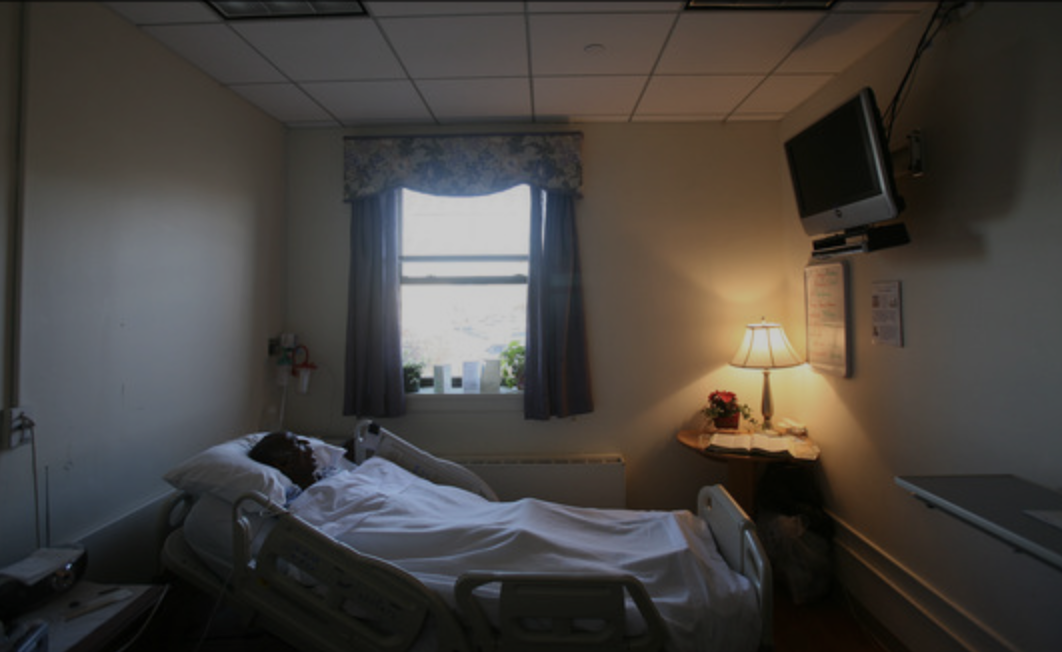
If you’ve found yourself asking, “What does a death doula do?” you’re not alone.
As more families in Nashville seek personalized, community-centered end-of-life care, many are discovering that hospice alone doesn’t always provide the emotional presence, education, and continuity they’re longing for.
A death doula offers steady, compassionate support before, during, and shortly after death; helping individuals and families navigate this sacred transition with clarity and care.
A Death Doula Provides Non-Medical Support
A death doula (also called an end-of-life doula) is a trained, non-medical professional who supports the emotional, spiritual, practical, and educational aspects of dying.
Unlike hospice providers such as Alive Hospice, who provide medical care and symptom management, a death doula focuses on:
Compassionate presence
Education about the dying process
Emotional stabilization
Family communication
Ritual and vigil planning
Caregiver support
After-death guidance
Hospice and death doulas are complementary (not competing) supports.
1. Compassionate Bedside Presence
One of the most important roles of a death doula is simply being present.
This can mean:
Sitting quietly at the bedside
Creating a calm, grounded atmosphere
Explaining what is happening physically
Supporting meaningful conversations
Holding space for fear, grief, or reflection
Families often say that having a steady presence reduces anxiety and brings a sense of peace during active dying.
2. Education About the Dying Process
As an experienced educator, I help Nashville families understand what to expect physically, emotionally, and spiritually as death approaches.
This includes guidance around:
Signs of active dying
Changes in breathing and consciousness
Decreased appetite and withdrawal
How to respond to uncertainty
What happens immediately after death
Education reduces fear and empowers families to participate with confidence.
3. Dementia and Long-Term Illness Support
Death doulas can become involved long before the final days — especially in cases of dementia or progressive illness.
Support may include:
Helping families understand disease progression
Processing anticipatory grief
Supporting exhausted caregivers
Facilitating family meetings
Preparing for hospice involvement
In dementia care, this extended arc of support is often essential.
4. Caregiver Support
Caregivers are often overwhelmed, exhausted, and emotionally depleted.
A death doula provides:
Emotional processing space
Non-medical respite presence
Burnout prevention support
Practical planning guidance
Community coordination
When caregivers are supported, the entire end-of-life experience becomes more stable and compassionate.
5. Ritual and Vigil Planning
Death is not only medical; it is relational and often spiritual.
A death doula helps families create meaningful rituals, which may include:
Bedside vigils
Music or prayer
Family participation moments
Threshold blessings
Intentional goodbyes
Ritual transforms isolation into connection and fear into shared presence.
6. After-Death Care Guidance
The hours immediately following death can feel overwhelming.
A death doula may provide guidance with:
Spending intentional time with your loved one
Education about body care (in accordance with Tennessee law)
Slowing down the immediate process
Coordinating next steps
Exploring home funeral options
This support helps families move through the initial shock with steadiness and dignity.
7. Home Funeral Education in Tennessee
Some families in Nashville are interested in more intimate, family-led after-death care.
A death doula can offer education about:
Tennessee home funeral guidelines
Family participation in washing and dressing
Creating meaningful at-home rituals
Coordinating with funeral homes when desired
Home funeral guidance empowers families to reclaim connection and intentionality.
8. Community-Centered Support
In my Nashville practice, I work with a trained team of apprentices to help form a circle of support around families.
This allows for:
Expanded presence when needed
Continuity of care
Reduced isolation
Shared responsibility
A stronger sense of community
Death was once a communal experience. It can be again.
So, What Does a Death Doula Really Do?
A death doula:
Educates
Stabilizes
Supports caregivers
Facilitates ritual
Builds community
Offers presence
Guides families through uncertainty
Honors the sacredness of the transition
In Nashville, many families choose to work alongside hospice providers like Alive Hospice while also receiving death doula support for the emotional and relational aspects of care.
When Should You Contact a Death Doula?
You can reach out:
At diagnosis
When hospice begins
During dementia decline
When caregiving becomes overwhelming
When planning a home death
If you simply want to understand your options
You do not need to wait until the final hours.
Final Thoughts
If you’re asking, “What does a death doula do?” you may already be sensing that medical care alone isn’t the whole picture.
Death is medical, but it is also human, relational, communal, and sacred.
A death doula helps ensure that no one walks that path alone.
If you are seeking a death doula in Nashville, I offer consultations to explore how we can build a steady, community-centered plan of support for you and your loved ones.